
Capitalist Exploits Insider Newsletter Review: Worth It or Not?
Capitalist Exploits Insider is a contrarian investment newsletter focused on off-radar sectors, long-term setups, and ideas most mainstream newsletters ignore. Here’s a straight look at what it offers, where it stands out, and where you should be cautious.
Quick Verdict
The Insider Newsletter can be worth trying if you understand what it is and what it is not.
This is not a high-frequency alert service, and it is not the same thing as full Insider membership with portfolio-level access.
What you’re getting here is a contrarian, macro-driven newsletter built around off-radar sectors, long-term setups, and ideas most mainstream newsletters won’t touch.
Probably worth a look if:
- you like contrarian investing
- you’re comfortable thinking in multi-year timeframes
- you want exposure to out-of-favor sectors and deeper macro analysis
- you do not need constant hand-holding
Probably not for you if:
- you want short-term trades or frequent alerts
- you expect exact portfolio transparency from the newsletter alone
- you want simple plug-and-play recommendations
- you’re a complete beginner and want everything spelled out step by step
My short take:
As a lower-cost way to access the team’s thinking, the newsletter can make sense.
Just do not go in expecting the full Insider service.
What the Insider Newsletter Actually Is
In plain English: this is not a newsletter built around whatever is already hot.
Run by Chris Macintosh and Brad McFadden, with backgrounds in money management, the basic approach is to look for sectors and setups that:
- most investors are avoiding
- are still important to how the world works
- may offer strong upside if sentiment and capital flows eventually shift
That is what makes it different from a lot of mainstream investment newsletters – less hype, more macro thinking, and a clear bias toward contrarian, out-of-favor setups.
Instead of chasing the newest hype cycle, the newsletter tends to focus on areas that look unattractive on the surface but may be deeply undervalued underneath… targeting out-of-favor stocks that are still “vital for the functioning of society,” with a long-term goal of finding asymmetric 3–10x opportunities.
That does not mean every idea works.
But it does mean the service has a real framework behind it.
And that framework is one of the main reasons people find it interesting.
How They Invest
If you’re looking for quick profits, this probably isn’t the right newsletter for you.
The core approach here is long-term and deeply contrarian. Rather than chasing whatever is already popular, the focus is on sectors that most investors want nothing to do with… areas that are out of favor, underfunded, politically unpopular, or broadly treated as dead money.
But being hated is not enough.
The sectors they target also tend to be things that are still vital to the way society functions. That matters because it gives the strategy a second layer beyond simply buying what looks cheap. The idea is to find parts of the market that have been abandoned, but that the world still needs.
A good example is uranium.
For years, uranium and nuclear-related stocks were deeply unpopular. The sector was widely avoided, politically awkward, and easy for mainstream investors to dismiss. But the underlying need for reliable energy never disappeared. That kind of disconnect is exactly what this strategy is built around: sectors that have been shunned for a long time, even though the real-world demand case has not gone away.
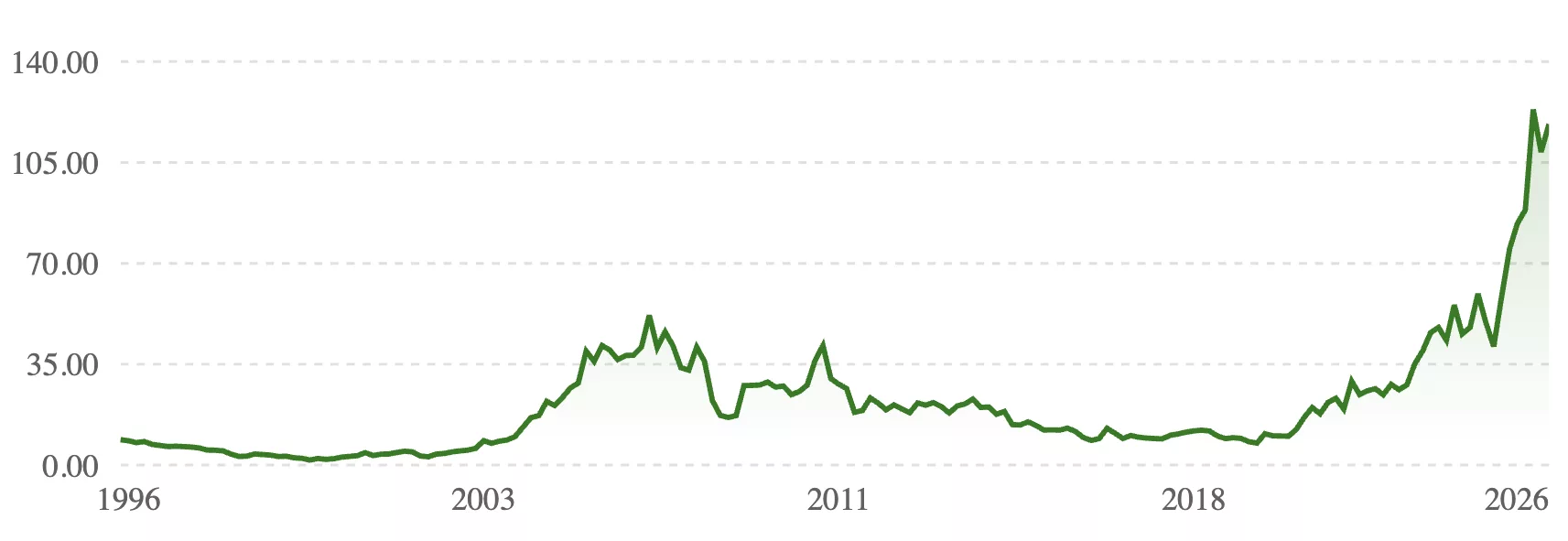
Cameco is a useful chart to show because it tracks the uranium sector pretty well. As the largest publicly traded uranium company, it gives a solid visual proxy for how sentiment around the sector changed over time. You can see the long, grinding bear market when uranium was treated as untouchable… and then the reversal as the market started warming up to it again.
What makes this approach more interesting is that they are not just looking for sectors that are cheap and unloved.
They also want sectors that are still important to how the world functions.
A sector can be out of favor for years, but if the underlying need for it never really goes away, the odds of a major reassessment are much better than in a sector that is simply obsolete.
Energy is a good example.
Countries can talk about transitions and preferred sources of power all they want, but they still need reliable energy at scale. If one source does not meet that need, capital and policy eventually have to shift toward another. That is part of what made uranium such a compelling setup: it was unpopular, but the real-world need it served never disappeared.
That “vital for the functioning of society” filter is one of the main ways this strategy tries to avoid buying into sectors that are merely cheap for a reason.
That is the kind of setup Insider is trying to find:
- a sector falls badly out of favor
- most investors avoid it
- capital leaves the space
- but the underlying need remains
- eventually, the market is forced to reassess
On the other hand, this is generally not a service that wants to chase something like Nvidia after it has already become one of the most loved and talked-about stocks in the market.
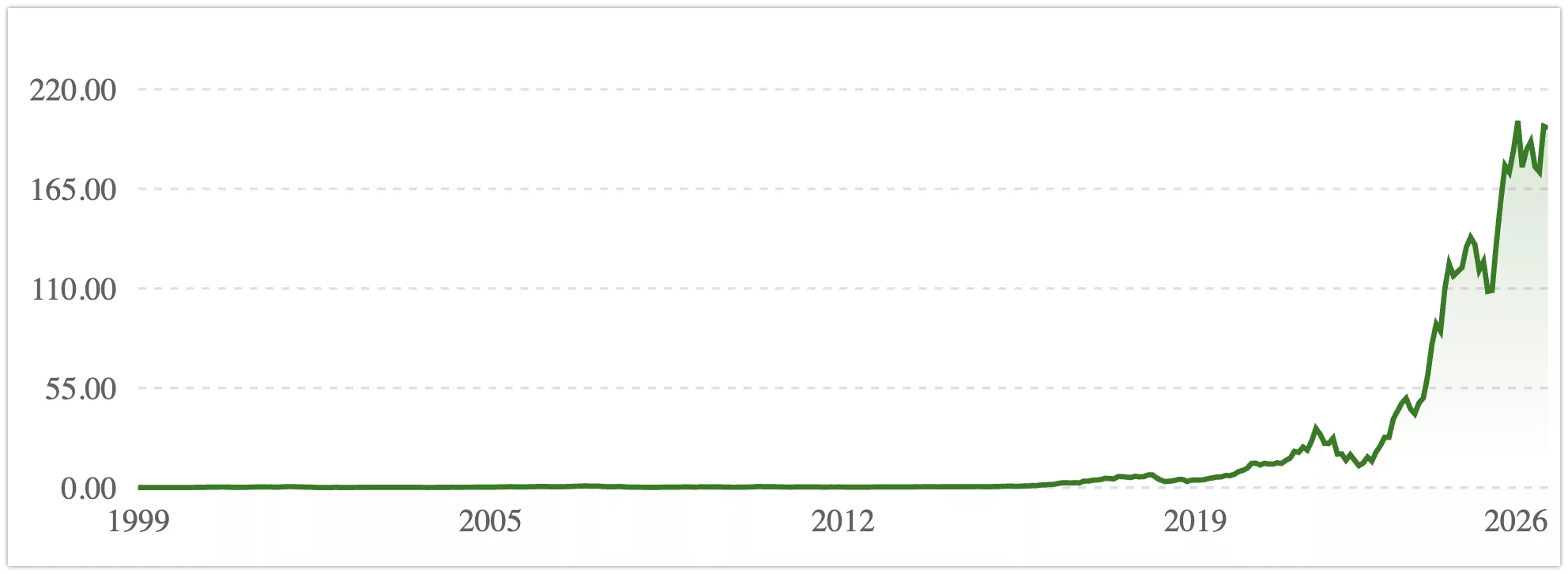
Nvidia may be a fantastic business, but it illustrates the polar opposite type of setup. It is widely followed, heavily owned, constantly discussed, and surrounded by enthusiasm. That is not where Insider usually wants to look. The whole point is to find opportunities where enthusiasm is missing, not where it is already overflowing.

The celebrity-style attention around Nvidia is part of the point.
When a company becomes so popular that its CEO is being treated more like a rock star than a business executive, you are usually no longer looking at an overlooked opportunity. You are looking at a crowded trade… one that is already loved, widely followed, and packed with enthusiasm.
That does not mean Nvidia is a bad business.
It just means it represents the opposite of the kind of setup this newsletter is usually built around.
Insider tends to look where excitement is missing, not where it is already overflowing.
Another important part of the strategy is the global perspective.
The newsletter does not look at markets through a narrow U.S. lens. It looks across countries, industries, and political systems to find situations where capital has moved away from an area too aggressively, even though the broader global picture still supports it.
Coal is a good example of this.
In much of the Western media, coal has been treated for years as a dead sector. That narrative has pushed plenty of investors away from it. But when you zoom out and look at the world as a whole, the picture is more complicated. On a global scale, coal consumption continues to rise.
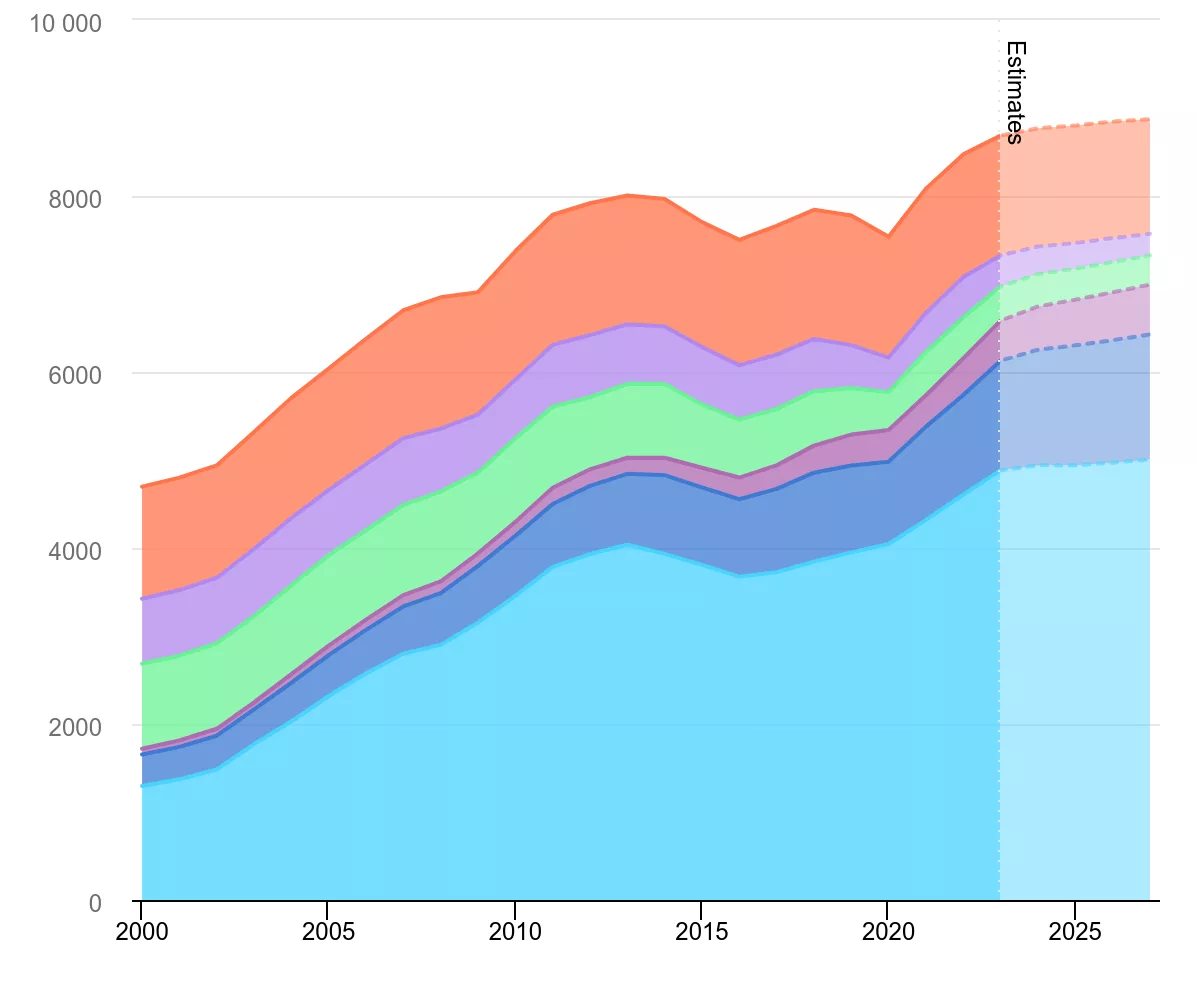
On a U.S.-only view, coal can look like a dying sector. But this chart shows why Insider takes a broader approach. While U.S. coal consumption has declined, demand in countries like China (light blue) and India (dark blue) has continued to grow, helping keep global coal consumption on the rise overall. That is exactly the kind of disconnect this newsletter looks for: a sector that may be politically unpopular or widely dismissed in one region, but still supported by real demand on a global scale.
That is also why geopolitics plays such a large role here.
Energy policy, regulation, trade flows, and shifting national priorities can reshape entire industries with the stroke of a pen. Instead of treating that as background noise, this newsletter treats it as part of the investment process.
Once a promising sector has been identified, the next step is to narrow it down to a basket of stocks or, in some cases, an ETF. From there, the focus turns to company fundamentals, financial health, and whether the individual names offer a sensible way to express the larger thesis.
So the strategy, in a nutshell, looks like this:
- find sectors the market has largely abandoned
- make sure they still matter in the real world
- understand the bigger political and macro forces behind them
- then look for specific stocks that offer attractive long-term upside
That is the appeal of Insider.
It is not built around whatever is hottest right now. It is built around the idea that some of the best opportunities are found where most people are too uncomfortable, too impatient, or too distracted to look.
They Try to Get In When Sectors Feel Untouchable
No one can time the market perfectly.
But one of the strengths of this approach is that they are willing to look at sectors when sentiment is extremely negative and most investors want nothing to do with them.
That is easier said than done.
It is uncomfortable buying into an area the market has already written off. But if the underlying thesis is sound, that is often where the best asymmetry can be found.
Here are two real examples of the kind of setup they've invested in.. situations where the stocks were widely treated like “toxic waste” at the time, but where the entry point turned out to be early in a much larger move.
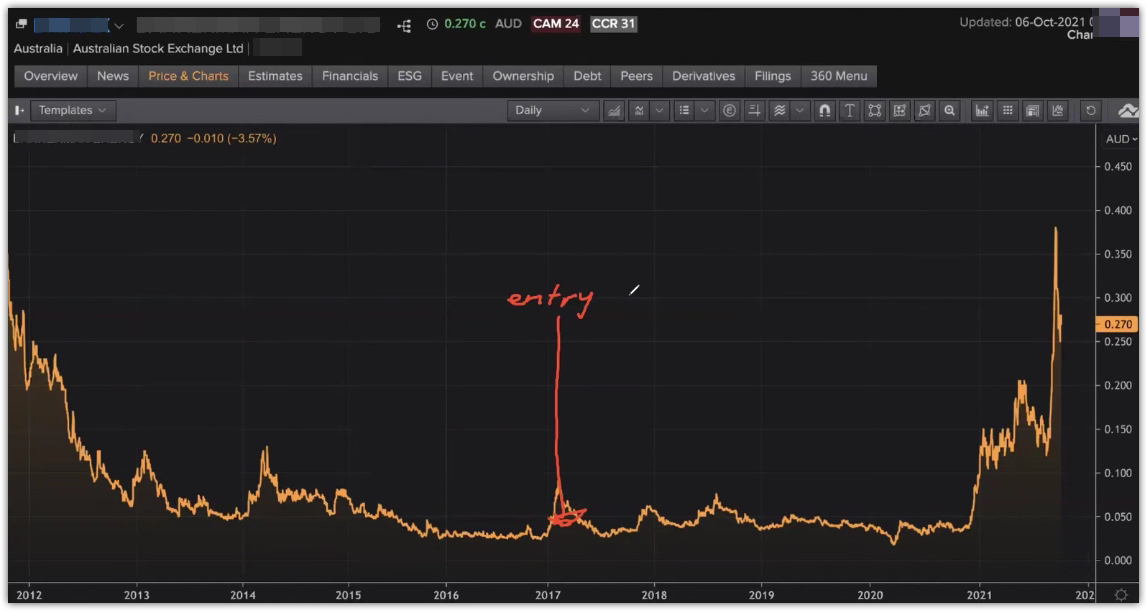
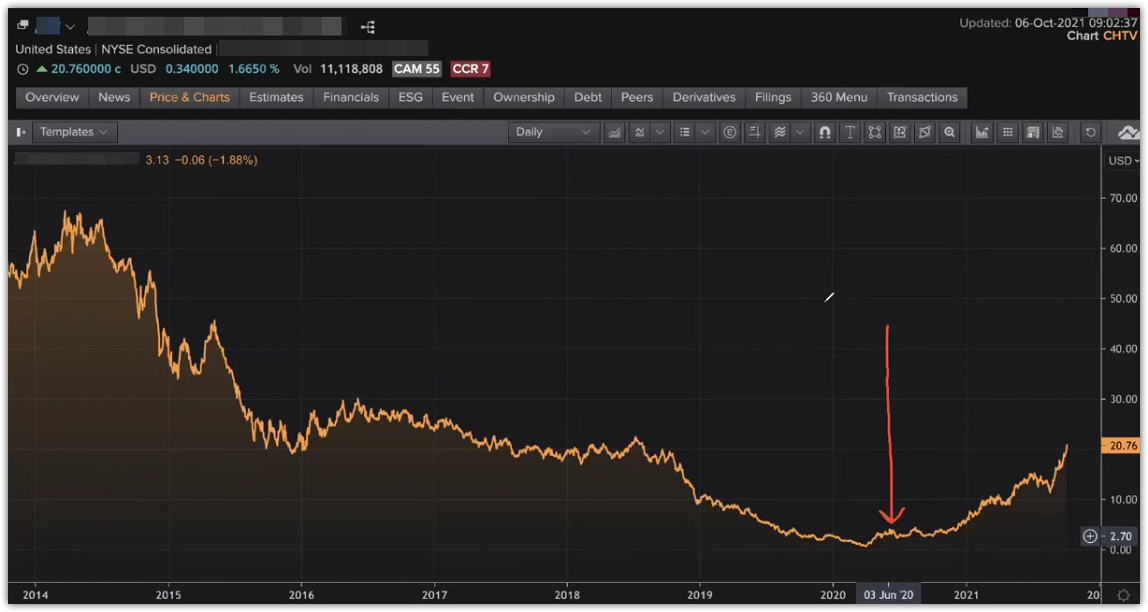
The basic idea is not to buy when enthusiasm is already everywhere.
It is to get interested before the crowd comes back… while the sector is still ignored, disliked, and starved of capital.
If they can buy when a stock is still considered toxic waste and later exit after the story has become widely celebrated, they have probably timed the cycle well.
Of course, easier said than done.
Who It’s For — And Who Should Skip It
The Insider Newsletter is not for the impatient.
The whole approach is built around long-term, contrarian investing. The team is not trying to squeeze out quick wins from whatever is moving this week. They are looking for sectors that may take years.. not weeks.. to fully play out.
That is important to understand up front.
If you are the kind of investor who checks prices constantly, wants immediate validation, or gets uncomfortable when an idea takes time to work, this will probably be a frustrating service to follow.
The kinds of setups they look for are often unpopular for a reason: they are out of favor, underfunded, politically awkward, or simply ignored by most investors. That can create opportunity, but it also requires patience and conviction.
So this newsletter is likely a better fit for someone who:
- is comfortable thinking in multi-year timeframes
- does not need constant alerts or frequent action
- is open to looking at sectors most investors want nothing to do with
- values macro context and original thinking more than quick stock tips
It also helps if you are comfortable with ideas that may look wrong or uncomfortable before they start looking obvious.
That is part of the whole point.
Its focus is on neglected areas that may be undervalued precisely because most of the market has stopped paying attention.
That is also one reason it will not appeal to everyone.
The tone can be blunt, and the geopolitical framing will not be for every reader. Politics, regulation, trade flows, and global power shifts are treated as part of the investment process here, not as background noise. If you prefer a cleaner, more apolitical stock-picking service, this may not be the right fit.
It is also probably not the best choice for a complete beginner.
If you are brand new to investing, some of the material may feel dense or assume more background knowledge than you have right now. The newsletter does not really hold your hand. It expects you to think, to follow the argument, and to do some work on your own.
That said, you certainly do not need to be an expert to get value from it.
If you already have at least a basic investing foundation and are willing to learn as you go, you will probably be able to follow it just fine.
So, in plain English:
This newsletter is probably a good fit if:
- you like contrarian ideas
- you are patient
- you want off-radar sectors, not mainstream favorites
- you are comfortable with longer, more macro-driven analysis
- you do not need everything simplified into a step-by-step alert service
You may want to skip it if:
- you want fast-moving stock alerts
- you expect short-term trades
- you want heavy hand-holding
- you are completely new to investing and want something easier to digest
- you mainly want popular growth names rather than unpopular value setups
That is not a flaw in the service.
It just means this newsletter is designed for a specific type of investor… and it is better to be clear about that than pretend it fits everyone.
How it works
The Insider Newsletter is not a short stock-pick email you skim in two minutes.
It is a longer-form research product.
The service used to be called Insider Weekly, but these days new issues generally come out about every two weeks rather than every week. And when they do arrive, they tend to be substantial – think dozens of pages… so this is much closer to a research report than a quick market update.
That is worth knowing up front.
If you are expecting a light, fast-moving alert service, this is not really that.
A typical issue includes:
- commentary on current geopolitical and market conditions
- analysis of how capital is moving across sectors and regions
- charts, visuals, and supporting data
- a final section with “the big 5” stock picks or setups they are currently watching
Each issue also tends to be visually supported, with plenty of charts, screenshots, and data points rather than just walls of text. That helps, because the analysis is usually broader and more thematic than what you get from the average stock-picking newsletter.
So the experience is less:
here are 3 stocks to buy right now
and more:
here is how they are thinking about the world, the markets, and where opportunity may be building beneath the surface
That is one of the reasons some readers will find it genuinely valuable.
It gives you more context than most newsletters.
But it is also one reason the service will not appeal to everyone. You have to be willing to read through longer-form analysis rather than just look for a ticker and a buy price.
At the end of each issue, the newsletter becomes more concrete through a section called “the big 5.”
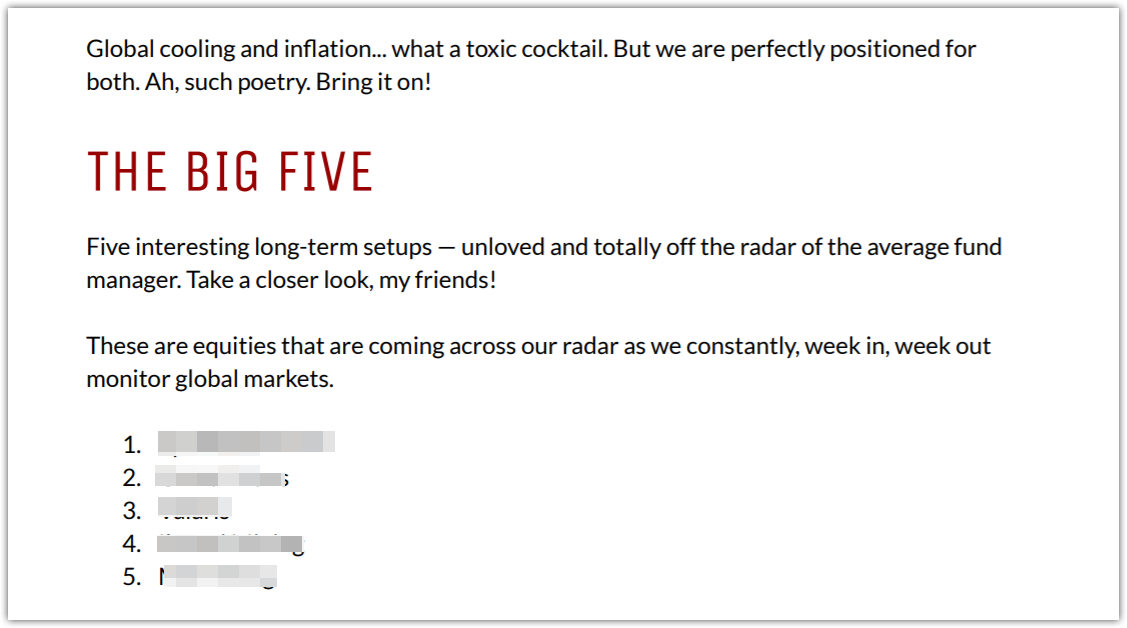
This is where you see the long-term setups they are currently watching most closely. The section typically includes the names they are focused on, along with charts, metrics, and the reasoning behind why those ideas fit their broader thesis.
Sometimes that means five fresh setups. Other times, it means revisiting older ones that they still think are compelling.
That “big 5” section is probably the most important part of the newsletter for a prospective subscriber to understand.
Because while it does provide actionable ideas, those are not exactly the same thing as a full recommendation list or a live view into everything they personally own.
The “big 5” should not be thought of as a simple list of direct recommendations in the usual hand-holding newsletter sense.
A better way to think of them is this:
they are long-term setups the team finds compelling and wants you to look at more closely
Sometimes those ideas may overlap with positions in the full Insider portfolio.
You just have to understand that it is an idea-driven newsletter, not a fully transparent portfolio-tracking service, which brings us to the next point..
Insider Newsletter vs. Full Insider Membership
This is the most important distinction to understand before paying.
The Insider Newsletter, which is what I've been talking about, is not the same thing as full Insider membership.
If you only glance at the branding, it is easy to assume they are basically the same product. They are not.
The newsletter is the lower-cost entry product. It gives you access to the team’s macro thinking, market commentary, and the “big 5” ideas they highlight in each issue.
But it does not give you the same level of access as full Insider membership.
That matters because one of the biggest sources of confusion with this offer is what exactly you are getting when you subscribe to the newsletter alone.
As you know, the “big 5” ideas in the newsletter are not really recommendations in the usual hand-holding sense. They are “interesting long-term setups” the team is watching, and they may or may not also be positions in the full Insider portfolio.
So if you join the newsletter, you should not expect:
- a full model portfolio
- exact position-by-position transparency
- constant buy/sell hand-holding
- a perfect window into everything Chris and Brad are personally doing
If you want that, the full Insider service is the more relevant product.
That higher-tier membership is where you get the actual portfolio access and the fuller version of the service. This would be the option for people who want the “hand-holding,” because that is where there is less guessing about what they are actually invested in.
That does not mean the newsletter is useless on its own.
Think of it like this: the Insider Newsletter is the foundation of the full Insider service.
a lower-cost way to access their thinking, themes, and idea flow
not the full portfolio-tracking product
For some readers, the newsletter alone will be enough.
For others, the lack of full portfolio access will be a deal-breaker.
That’s why it’s important to be clear about the distinction up front.
Performance
To get the best look at how well their approach actually performs, we have to look at the performance of their model portfolio, which, again, is part of the full Insider service.
This is where I want to be fair.
Remember, this is not a service built around chasing the hottest growth stocks or trying to rack up flashy short-term wins.
It’s much more of a contrarian, long-cycle, out-of-favor approach.
That matters, because it changes how you should look at the results.
Insider vs. the S&P 500
From the performance data they provide, Insider’s picks have done better than the S&P 500 overall… though not by some outrageous, jaw-dropping margin.
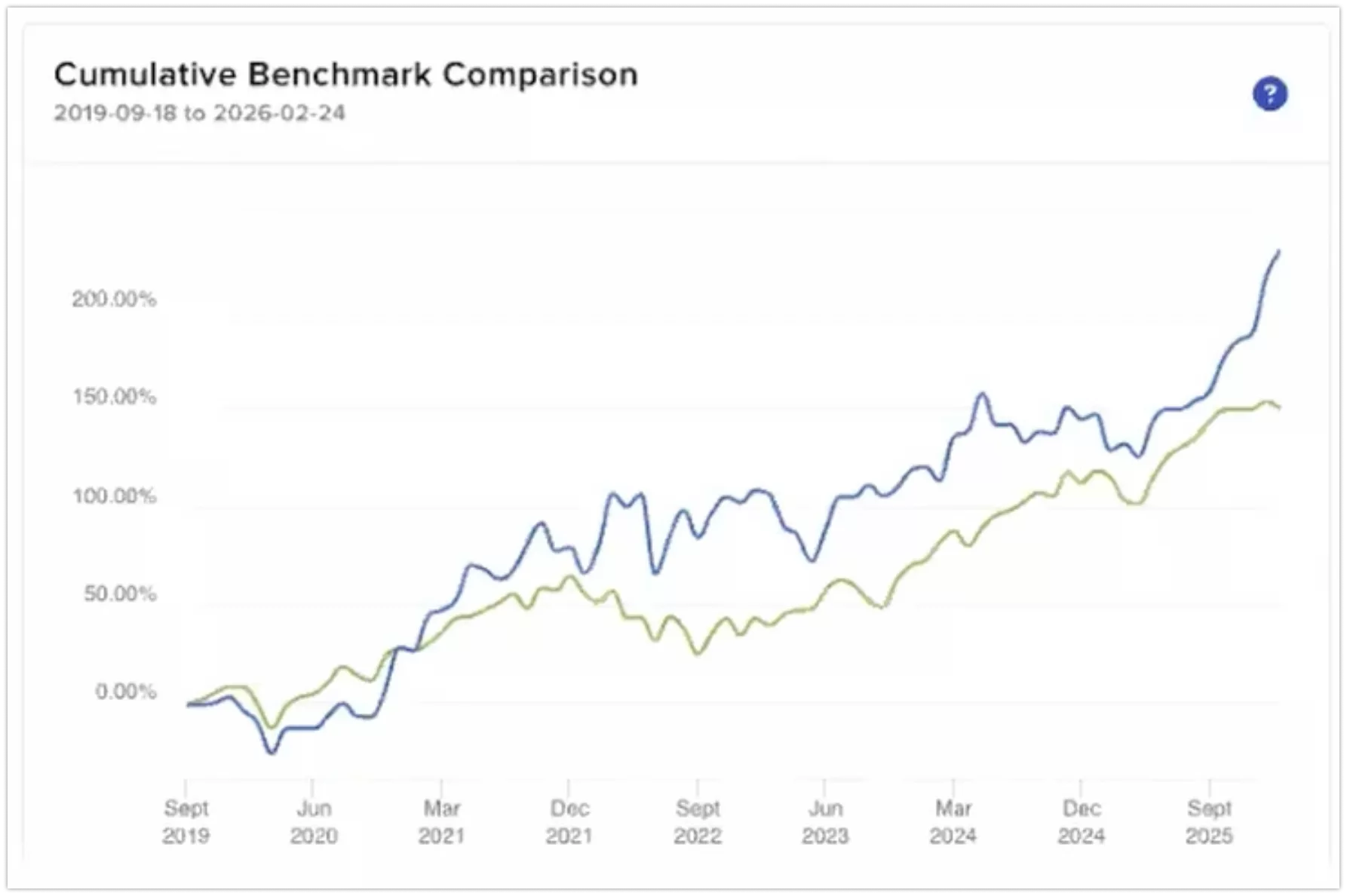
You can see from the chart above that their line is ahead of the market, which is obviously a good sign.
This is solid outperformance, not “wow, this changes everything” outperformance.
A quick reality check
If you compare Insider to a service like Motley Fool’s Stock Advisor, the difference in style becomes obvious.
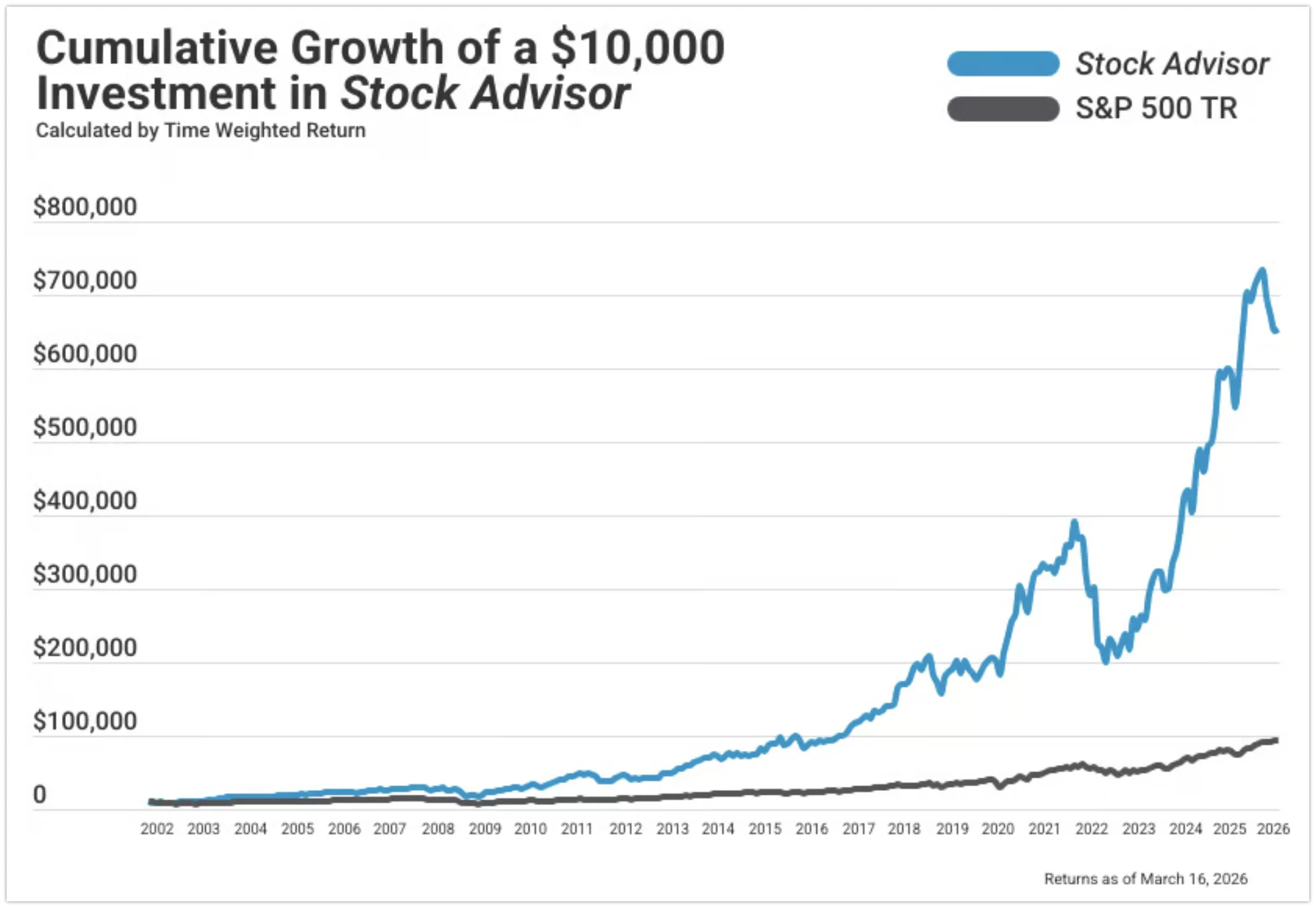
Stock Advisor has historically been much more explosive in terms of headline performance.
But that doesn’t necessarily make it a better comparison for what Insider is trying to do.
Motley Fool has largely benefited from owning some of the market’s biggest growth winners over long periods.
Insider is almost the opposite.
Chris and Brad are looking for sectors and setups that are under-owned, underfunded, and broadly ignored.
So if you’re expecting Insider to look like a high-octane growth-letter, you’re probably expecting the wrong thing.
It's worth pointing out: Much of Stock Advisor's stellar performance has been from a select few recommendations, mainly their Amazon recommendation back in September 1997 when the company went public (which has gone up around 140,000% since then) and their Nvidia recommendation from April 2005 (has gone up some 46,300% since then).
According to a recent article, their average return is about 630%.
However, when you look at Amazon at 140,000% and Nvidia at 46,300%, there must have been quite a few bad picks in there to bring the average down to 630%.
The point is: the chart shown above for Stock Advisor's performance is very inflated due to the returns of a few stellar picks.
The real bet they’re making
The better way to think about Insider’s strategy is this:
They believe the market has spent years crowding into popular growth names, while many unloved value-oriented sectors have been left for dead.
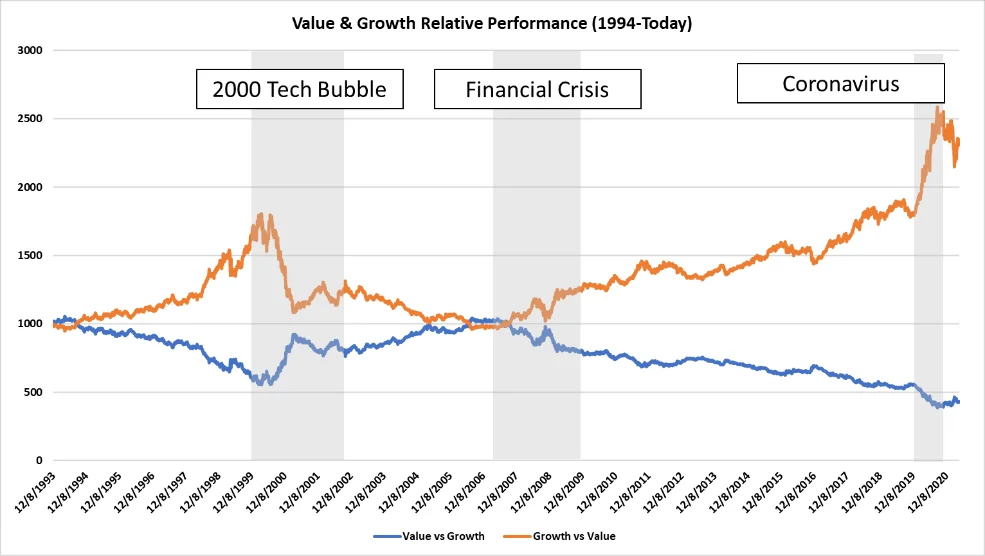
That chart helps show the bigger backdrop.
Growth has massively outperformed value for a long time, and Chris and Brad’s basic view is that this imbalance created opportunity… an opportunity for value investors but a catastrophe for growth investors like The Motley Fool's Stock Advisor.
In other words, they are not trying to buy what is already loved.
They are trying to buy what is still hated… or at least overlooked… before the broader market wakes up.
Why that matters
When a trade gets too crowded, it usually starts to show.
You see extreme enthusiasm.
You see sky-high expectations.
You see media praise.
And you start seeing investors treat certain people and sectors like they can do no wrong.
Cathie Wood and ARKK (her ‘disruptive innovation' etf) became one of the clearest examples of that.

ARKK had an incredible run, but if you bought near the peak, the experience was brutal.
And that peak enthusiasm didn’t happen in a vacuum.

Magazine covers are not magical signals, of course.
But they often capture the mood of the moment.
By the time someone is being celebrated as a market genius on the cover of a major magazine, a lot of the easy money has often already been made.
That’s the kind of cycle Chris and Brad are trying to avoid.
They want to get into sectors before they become glamorous.. not after everyone on earth is talking about them.
So how good has performance actually been?
I’d sum it up like this:
- better than the S&P 500
- not spectacular
- consistent with their contrarian framework
- and probably too early to fully judge since some of their longer-cycle theses haven't fully played out
That last point is important.
A lot of what they focus on is not the kind of thing that explodes overnight.
These are often slower, more uncomfortable setups that can take time to work.
They often look to invest and hold with 5 years in mind.
That may frustrate some people, but it also seems to be part of the design.
My take
So no… I would not present Insider as some world-beating performance monster.
But I also would not dismiss it just because the chart isn’t crazy.
To me, the more important question is whether the strategy makes sense.
And I think it does.
They have a coherent framework:
look for sectors that are hated, starved of capital, still important, and likely to benefit when sentiment eventually shifts.
If that framework continues to work, the best gains may still come later rather than earlier.
That is not guaranteed, of course.
But it is the real case for Insider.
The good, the bad, and the ugly

The good
- Original market and geopolitical analysis.
- This is not a cookie-cutter newsletter recycling the same mainstream ideas. The framework is distinctive, and the commentary is often much broader and more thoughtful than what you get from typical stock-picking services.
- A genuinely contrarian strategy.
- The focus on unloved, underfunded sectors that are still important to how the world functions gives the service a clear identity. It is not just “value investing” in the generic sense.
- A strategy that has made sense in practice.
- The results are not spectacular, but the broader approach has shown enough merit to be taken seriously, especially given that it has outperformed the S&P 500 while following a very different path.
- Useful context, not just tickers.
- If you want to understand why a setup may be attractive.. not just be told what symbol to look at.. this newsletter does a better job than most.
- Visually supported and relatively easy to follow.
- The charts, screenshots, and supporting visuals help make longer issues easier to work through and understand.
- Actionable ideas at the end of each issue.
- The “big 5” section gives readers concrete setups to look into, which keeps the newsletter from being purely theoretical.
The bad
- It requires patience.
- This is not a short-term alert service. The whole strategy is built around ideas that may take years to play out.
- It is not a hand-holding product.
- If you want a service that tells you exactly what to buy, when to buy it, and when to sell it, the newsletter alone may feel too loose.
- The “big 5” are not the same as a full recommendation list.
- They are best thought of as long-term setups the team finds compelling, not necessarily a direct mirror of the full Insider portfolio.
- Some readers may find it too macro-heavy.
- If you mainly want stock tips and do not care much about geopolitics, capital flows, or longer thematic analysis, this may feel heavier than necessary.
The Ugly
- The tone can be blunt.
- Chris does not write in a polished, corporate-safe PC style. Some readers will find that refreshing. Others will find it abrasive or unnecessarily provocative.
- The subject matter can be a bit glum.
- A lot of the analysis is built around geopolitical stress, market distortions, energy problems, and neglected sectors… not ‘hot' stocks, unicorns and rainbows.
- It is not for everyone.
- This is probably the biggest “ugly” truth of all. If your natural style leans toward popular growth stories, fast-moving trades, or simplified guidance, this service may simply not suit you.
A quick note on credibility
I would not make a decision based on public reviews alone.
But for what it’s worth, Insider’s Trustpilot profile is unusually strong for this industry. At the time of writing, it has a much stronger rating than many better-known newsletter publishers, with a 4.9 out of 5 stars.

That does not prove every subscriber will love it.
But in a business where customer sentiment is often pretty rough, it is a meaningful positive signal.
I would treat that as supporting evidence, not the main reason to subscribe.
Compare this to Motley Fool's rating and you get the point.
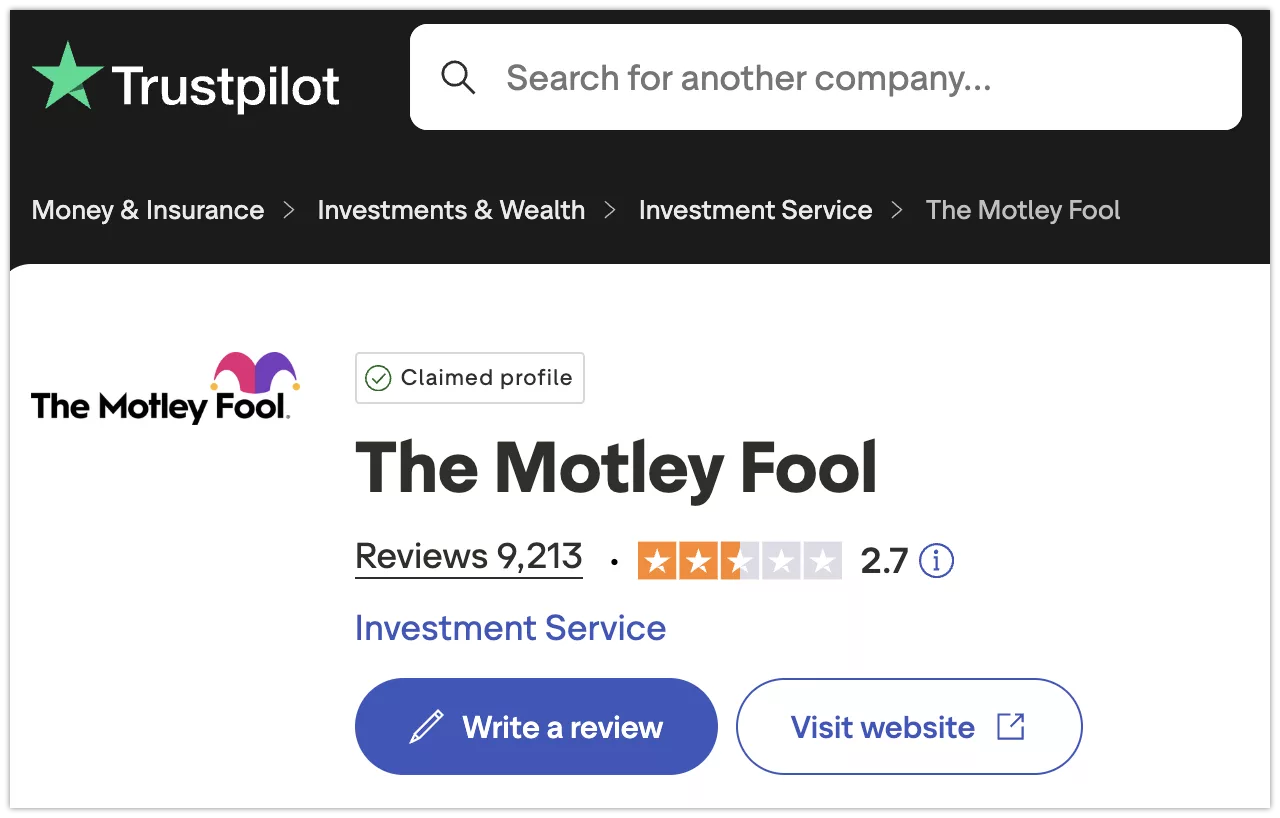
The stronger case for the service is still the one laid out above: the strategy is coherent, the newsletter is differentiated, and the product seems best suited to a specific kind of investor rather than everyone.
Final Verdict: Is it worth trying?
It depends.
If you want a newsletter built around short-term alerts, simple buy recommendations, or popular growth stories, this probably is not the right fit.
But if you are comfortable with a longer time horizon, contrarian ideas, and sectors that most investors would rather avoid, the Insider Newsletter may be worth a look.
That is especially true if what you want is not just a ticker list, but a better sense of how Chris and Brad think about markets, geopolitics, capital flows, and where neglected opportunity may be building.
That said, I would only consider it if you are clear on the tradeoff:
You are getting access to their thinking, their framework, and the long-term setups they are watching most closely.
You are not getting the full Insider service with full portfolio-level visibility and all the hand-holding that comes with it.
As a lower-cost entry point, though, the newsletter makes more sense than jumping straight into the higher-tier service.
If the current offer is still the same, that means you can try the newsletter for $1 for the first month, and then decide from there whether it is actually a fit for you.
That is probably the best way to approach it:
.. not as some must-buy service, but as a low-friction way to see whether this style of research genuinely matches the way you like to invest.
If you read everything above and thought:
- I like the contrarian angle
- I do not mind longer-form analysis
- I can live without a hand-holding alert service
- and I want exposure to ideas most newsletters ignore
.. then it is probably worth trying.
See the Insider Newsletter